
Lake Naivasha Freshwater Paradise
From $30000 per Person
Book This Tour
Tour Description
Introduction
Lake Naivasha stands as one of Kenya’s most captivating freshwater destinations, offering an extraordinary blend of natural beauty, diverse wildlife, and authentic African experiences. Located in the heart of the Great Rift Valley, Lake Naivasha beckons travelers with its pristine waters, abundant birdlife, and stunning volcanic landscapes. This comprehensive Lake Naivasha travel guide reveals why this remarkable destination has become a must-visit location for safari enthusiasts, nature lovers, and adventure seekers from around the world.
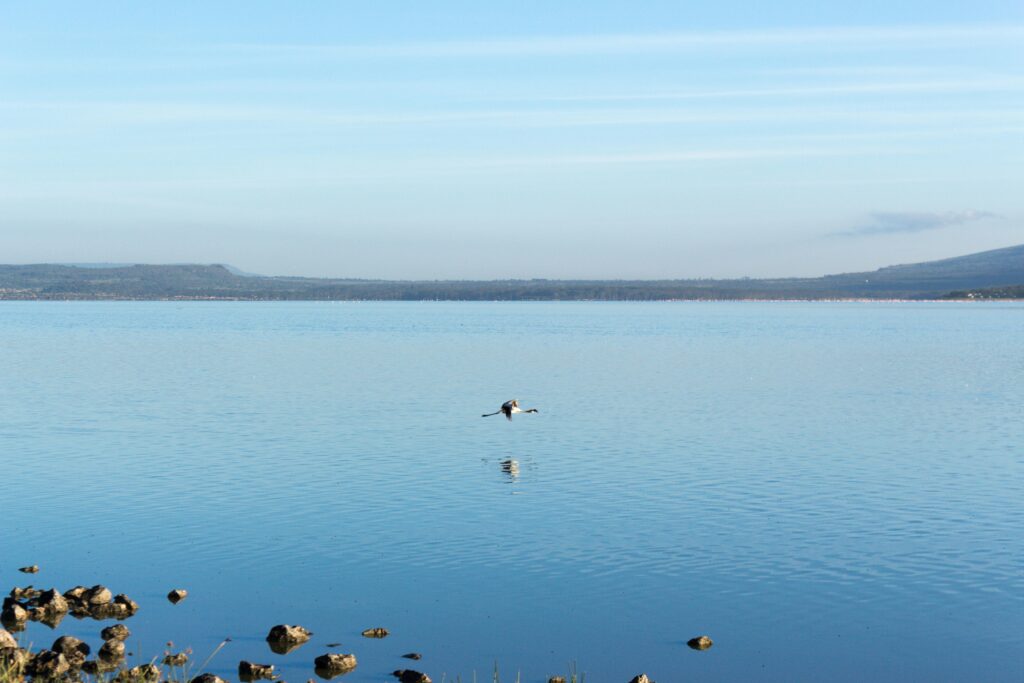
The allure of Lake Naivasha extends far beyond its shimmering waters. This freshwater lake serves as a vital ecosystem supporting over 400 bird species, including the magnificent African fish eagle, colorful kingfishers, and elegant flamingos. The Lake Naivasha region offers visitors unique opportunities to witness hippos in their natural habitat, explore flower farms that supply international markets, and experience the warm hospitality of local communities.
Whether you’re seeking a peaceful retreat from urban life, an educational wildlife experience, or an adventure-filled safari, Lake Naivasha delivers unforgettable memories that will last a lifetime. This destination combines accessibility with authenticity, making it perfect for both first-time visitors to Kenya and seasoned travelers looking to discover hidden gems.
Destination Overview
Essential Lake Naivasha Information
Lake Naivasha, situated approximately 90 kilometers northwest of Nairobi, represents one of Kenya’s most accessible and rewarding travel destinations. This freshwater lake sits at an elevation of 1,884 meters above sea level, covering an area that varies seasonally between 139 and 991 square kilometers. The Lake Naivasha ecosystem supports an incredible diversity of wildlife, making it a premier destination for eco-tourism and wildlife photography.
Best Time to Visit Lake Naivasha:
- Dry Season (June-October, January-March): Optimal wildlife viewing conditions with clear skies and minimal rainfall
- Wet Season (April-May, November-December): Lush landscapes, migratory birds, and fewer crowds
- Year-round Destination: Lake Naivasha offers excellent experiences throughout the year
Climate and Weather: Lake Naivasha enjoys a pleasant tropical highland climate with temperatures ranging from 18°C to 26°C (64°F to 79°F). The region experiences two rainy seasons: the long rains (March-May) and short rains (November-December). The dry seasons offer the best wildlife viewing opportunities as animals congregate around water sources.
Entry Requirements:
- Visa: Most visitors require a Kenyan visa (available online or on arrival)
- Passport: Valid passport with at least 6 months remaining validity
- Vaccination: Yellow fever vaccination certificate required if traveling from affected areas
- COVID-19: Check current health protocols and requirements
Local Information:
- Language: English and Swahili are official languages; local guides speak multiple languages
- Currency: Kenyan Shilling (KES); USD widely accepted
- Time Zone: East Africa Time (EAT), UTC+3
- Electricity: 240V, British-style three-pin plugs
Getting to Lake Naivasha
From Nairobi:
- By Road: 1.5-2 hours via Mai Mahiu Road (A104)
- By Air: Charter flights available to local airstrips
- Public Transport: Matatu (shared taxi) services from Nairobi
Airport Access:
- Jomo Kenyatta International Airport (NBO): Primary international gateway
- Wilson Airport: Domestic and charter flights
Travel Itinerary
Day 1: Arrival and Lake Naivasha Orientation
Morning (8:00 AM – 12:00 PM): Begin your Lake Naivasha adventure with arrival and check-in to your chosen accommodation. Take time to familiarize yourself with the Lake Naivasha area, enjoying the stunning views of the lake and surrounding volcanic landscape. Visit the Lake Naivasha visitor center to learn about the ecosystem and plan your activities.
Afternoon (1:00 PM – 5:00 PM): Embark on your first Lake Naivasha boat safari, the quintessential experience that brings you close to hippos, diverse birdlife, and the lake’s natural beauty. Professional guides will share insights about the Lake Naivasha ecosystem while you photograph wildlife in their natural habitat.
Evening (6:00 PM – 8:00 PM): Enjoy dinner at a lakeside restaurant, savoring local cuisine while watching the sunset over Lake Naivasha. The evening offers perfect opportunities for relaxation and planning tomorrow’s adventures.
Day 2: Crescent Island and Wildlife Exploration
Morning (7:00 AM – 12:00 PM): Take a boat trip to Crescent Island Game Park, a unique Lake Naivasha attraction where you can walk among wildlife without barriers. This private conservancy offers incredible opportunities to observe giraffes, zebras, antelopes, and numerous bird species up close. The Lake Naivasha walking safari provides an intimate wildlife experience unavailable in traditional game drives.
Afternoon (1:00 PM – 5:00 PM): Explore the mainland around Lake Naivasha, visiting local markets and flower farms that contribute significantly to Kenya’s economy. These Lake Naivasha flower farms supply international markets with fresh roses, carnations, and other blooms, providing insight into modern agricultural practices.
Evening (6:00 PM – 8:00 PM): Return to your accommodation for dinner and relaxation, reflecting on the day’s Lake Naivasha experiences.
Day 3: Hell’s Gate National Park Adventure
Morning (8:00 AM – 12:00 PM): Visit Hell’s Gate National Park, located adjacent to Lake Naivasha. This unique park allows walking and cycling safaris among wildlife, offering spectacular scenery of towering cliffs, water-gouged gorges, and volcanic formations. The park’s geothermal features provide fascinating insights into the Great Rift Valley’s geological activity.
Afternoon (1:00 PM – 5:00 PM): Continue exploring Hell’s Gate, including the narrow gorges and hot springs. The park’s diverse landscapes provide excellent hiking opportunities and stunning photography locations. Return to Lake Naivasha for late afternoon activities.
Evening (6:00 PM – 8:00 PM): Enjoy a farewell dinner at Lake Naivasha, celebrating your Kenya adventure.
Day 4: Cultural Experiences and Departure
Morning (8:00 AM – 12:00 PM): Engage with local communities around Lake Naivasha, learning about traditional lifestyles, crafts, and conservation efforts. Visit local schools or community projects to gain insights into daily life in the Lake Naivasha region.
Afternoon (1:00 PM – 5:00 PM): Final Lake Naivasha activities, souvenir shopping, and departure preparations. Take last photographs of the stunning Lake Naivasha landscape before beginning your journey back to Nairobi or onward destinations.
Key Attractions & Experiences
Top Lake Naivasha Attractions
1. Boat Safaris on Lake Naivasha The signature Lake Naivasha experience involves guided boat safaris that bring you within meters of hippos, diverse waterfowl, and the lake’s pristine ecosystem. Professional guides provide expert commentary about Lake Naivasha’s wildlife, conservation efforts, and local history.
2. Crescent Island Game Park This private conservancy offers the unique opportunity to walk among wildlife without fences or barriers. Crescent Island provides intimate encounters with giraffes, zebras, gazelles, and over 200 bird species in a stunning Lake Naivasha setting.
3. Hell’s Gate National Park Adjacent to Lake Naivasha, this remarkable park allows walking and cycling safaris among wildlife. The park features dramatic cliffs, geothermal hot springs, and the famous gorges that inspired Disney’s “The Lion King.”
4. Lake Naivasha Flower Farms Visit world-renowned flower farms that supply international markets with fresh blooms. These Lake Naivasha agricultural enterprises demonstrate sustainable farming practices and provide significant employment opportunities for local communities.
5. Elsamere Conservation Centre Former home of Joy Adamson (author of “Born Free”), this center focuses on conservation education and Lake Naivasha ecosystem protection. The site offers insights into Kenya’s conservation history and ongoing environmental efforts.
Unique Lake Naivasha Experiences
Wildlife Photography: Lake Naivasha provides exceptional opportunities for wildlife photography, with reliable sightings of hippos, diverse birdlife, and stunning landscapes. The lake’s proximity to Nairobi makes it accessible for day trips or extended photography workshops.
Birdwatching: With over 400 recorded species, Lake Naivasha ranks among Kenya’s premier birdwatching destinations. Notable species include African fish eagles, kingfishers, cormorants, pelicans, and seasonal flamingo populations.
Cultural Interactions: Engage with local communities to learn about traditional lifestyles, conservation efforts, and modern challenges facing the Lake Naivasha region. Community-based tourism initiatives provide authentic cultural experiences while supporting local economies.
Hiking and Nature Walks: The Lake Naivasha area offers numerous hiking opportunities, from gentle lakeside walks to challenging climbs up nearby volcanic peaks. These activities provide different perspectives on the lake’s beauty and surrounding landscapes.
Geothermal Exploration: The Lake Naivasha region features active geothermal fields that power Kenya’s electrical grid. Educational tours demonstrate renewable energy production and the area’s geological significance within the Great Rift Valley.
Traveler Requirements
Essential Packing List for Lake Naivasha
Clothing Essentials:
- Lightweight, breathable fabrics in neutral colors
- Long-sleeved shirts and pants for sun protection and insect prevention
- Warm layers for cool evenings and early mornings
- Waterproof jacket for unexpected rain showers
- Comfortable walking shoes with good grip
- Sandals for lakeside relaxation
- Sun hat with wide brim
- Swimwear for lake activities
Health and Safety Items:
- Insect repellent containing DEET
- Sunscreen with high SPF protection
- Personal first aid kit with basic medications
- Prescription medications with extra supplies
- Water purification tablets or bottled water
- Hand sanitizer and wet wipes
Documents and Money:
- Valid passport with Kenya visa
- Travel insurance documentation
- Vaccination certificates (yellow fever if required)
- Emergency contact information
- Local currency (Kenyan Shillings) and US dollars
- Credit cards for lodge payments
Local Etiquette and Cultural Considerations
Respectful Wildlife Viewing: Lake Naivasha’s wildlife requires respectful observation practices. Maintain safe distances from hippos and other wildlife, follow guide instructions carefully, and avoid sudden movements or loud noises that might disturb animals.
Community Interactions: The Lake Naivasha region is home to diverse communities with rich cultural traditions. Approach local interactions with respect, ask permission before photographing people, and consider supporting community-based tourism initiatives.
Environmental Responsibility: Lake Naivasha’s ecosystem faces various environmental challenges. Practice responsible tourism by avoiding single-use plastics, respecting wildlife habitats, and supporting conservation-focused accommodations and tour operators.
Photography Ethics: While Lake Naivasha offers incredible photography opportunities, respect wildlife and local communities by maintaining appropriate distances and seeking permission for photographs involving people or their property.
Legal & Safety Information
Visa and Entry Requirements
Visa Requirements: Most visitors to Kenya require a visa, which can be obtained online through the eVisa system or upon arrival at major entry points. The standard tourist visa costs $50 USD and allows stays up to 90 days.
Passport Requirements: Your passport must have at least 6 months validity remaining from your entry date and at least two blank pages for stamps.
Health Requirements: Yellow fever vaccination is mandatory for travelers arriving from countries with yellow fever transmission risk. Consult your healthcare provider about malaria prophylaxis recommendations for the Lake Naivasha region.
Safety Guidelines for Lake Naivasha
Wildlife Safety: Lake Naivasha’s wildlife, particularly hippos, can be dangerous if approached carelessly. Always maintain safe distances, never feed wildlife, and follow guide instructions during all activities.
Water Safety: While Lake Naivasha offers beautiful scenery, swimming is not recommended due to hippos, crocodiles, and water-borne diseases. Enjoy water activities only through organized boat safaris with professional guides.
General Safety: The Lake Naivasha region is generally safe for tourists, but standard precautions apply. Avoid displaying expensive items, travel in groups when possible, and use reputable tour operators for all activities.
Health Precautions:
- Use insect repellent to prevent mosquito-borne illnesses
- Drink only bottled or properly treated water
- Eat at reputable establishments
- Carry a basic first aid kit
- Consider travel insurance with medical evacuation coverage
Local Cuisine & Dining
Traditional Kenyan Cuisine at Lake Naivasha
Nyama Choma Grilled meat, typically beef or goat, seasoned with local spices and served with ugali (maize meal) and vegetables. This popular dish is widely available at Lake Naivasha restaurants and represents authentic Kenyan dining.
Fresh Fish from Lake Naivasha The lake provides fresh tilapia and other fish species, prepared in various styles including grilled, fried, or in traditional stews. Many Lake Naivasha restaurants specialize in fresh fish dishes.
Sukuma Wiki A nutritious vegetable dish made from collard greens, often served as a side dish with meat or fish. This staple food provides healthy options for Lake Naivasha dining.
Chapati Flatbread similar to Indian roti, commonly served with meals throughout Kenya. Most Lake Naivasha restaurants offer fresh chapati as an accompaniment to main dishes.
Recommended Lake Naivasha Restaurants
Carnelly’s Restaurant A popular dining establishment offering both local and international cuisine with excellent Lake Naivasha views. The restaurant features fresh fish dishes and traditional Kenyan specialties.
Mama Mia’s Restaurant An Italian-influenced restaurant providing international cuisine options alongside local dishes, perfect for travelers seeking familiar flavors during their Lake Naivasha visit.
Lake Naivasha Country Club Restaurant Historic dining venue offering traditional British-influenced cuisine alongside local specialties, providing elegant dining experiences with lake views.
Dining Etiquette and Tips
Local Customs: Kenyan dining customs emphasize sharing and hospitality. When dining with locals around Lake Naivasha, sharing dishes and accepting hospitality graciously demonstrates cultural respect.
Tipping Guidelines: Standard tipping at Lake Naivasha restaurants is 10-15% of the bill. Tour guides and boat operators appreciate tips for good service, typically 10-20% of the tour cost.
Food Safety: Choose reputable restaurants around Lake Naivasha, ensure meat is well-cooked, and avoid raw vegetables unless properly washed. Bottled water is recommended for drinking.
Transportation Guide
Getting Around Lake Naivasha
Organized Tours: Our tour packages including transportation, accommodation, and guided activities. Providing you with convenient access to all major attractions.
Local Taxis and Matatus: Local transportation options include taxis and matatus (shared minibuses) connecting Lake Naivasha to nearby towns and attractions. These options are economical but may have limited schedules.
Driving Safety:
- Drive on the left side of the road
- Carry valid international driving permits
- Maintain fuel levels as stations may be limited
- Travel during daylight hours when possible
- Be aware of wildlife crossings
Photography Tips
Best Photography Locations at Lake Naivasha
Sunrise and Sunset Spots: Early morning and late afternoon provide optimal lighting for Lake Naivasha photography. The lake’s surface reflects stunning colors during these golden hours, creating spectacular landscape images.
Wildlife Photography Locations: Boat safaris offer the best opportunities for wildlife photography at Lake Naivasha. Hippos, birds, and other wildlife are most active during early morning and late afternoon hours.
Landscape Photography: The elevated areas around Lake Naivasha provide panoramic views perfect for landscape photography. Mount Longonot and other viewpoints offer dramatic perspectives of the lake and surrounding Rift Valley.
Technical Photography Tips
Equipment Recommendations:
- Telephoto lenses (200-400mm) for wildlife photography
- Wide-angle lenses for landscape shots
- Waterproof camera bags for boat safaris
- Extra batteries and memory cards
- Tripods for stability during low-light conditions
Camera Settings:
- Use fast shutter speeds for wildlife photography
- Employ burst mode for action shots
- Adjust ISO settings for varying light conditions
- Utilize manual focus for precise wildlife shots
- Shoot in RAW format for maximum editing flexibility
Ethical Photography Guidelines:
- Respect wildlife by maintaining safe distances
- Avoid using flash photography near animals
- Ask permission before photographing local people
- Support conservation efforts through responsible image use
- Share photographs to promote Lake Naivasha conservation
Frequently Asked Questions
Q: Is Lake Naivasha safe for tourists? A: Yes, Lake Naivasha is generally safe for tourists. The area has good security, and most accommodations provide safe environments. However, standard travel precautions apply, including using reputable tour operators and avoiding isolated areas after dark.
Q: What wildlife can I expect to see at Lake Naivasha? A: Lake Naivasha supports diverse wildlife including hippos, various antelope species, giraffes, zebras, buffalos, and over 400 bird species. The lake is particularly famous for its large hippo population and diverse waterbirds.
Q: Do I need special vaccinations for Lake Naivasha? A: Yellow fever vaccination is required if traveling from affected areas. Consult your healthcare provider about malaria prophylaxis, as the Lake Naivasha region has some malaria risk, particularly during rainy seasons.
Q: What is the best time to visit Lake Naivasha? A: Lake Naivasha offers excellent experiences year-round. Dry seasons (June-October, January-March) provide optimal wildlife viewing conditions, while wet seasons offer lush landscapes and migratory bird populations.
Q: Can I swim in Lake Naivasha? A: Swimming in Lake Naivasha is not recommended due to hippos, crocodiles, and water-borne diseases. Enjoy the lake through organized boat safaris and other water activities with professional guides.
Q: How long should I stay at Lake Naivasha? A: A minimum of 2-3 days allows adequate time to experience Lake Naivasha’s main attractions. Many visitors combine Lake Naivasha with nearby destinations like Hell’s Gate National Park or Mount Longonot for longer itineraries.
Q: Are there ATMs and banking facilities near Lake Naivasha? A: Banking facilities are limited around Lake Naivasha itself, but nearby Naivasha town has banks and ATMs. Many accommodations accept credit cards, and US dollars are widely accepted.
Q: What should I pack for a Lake Naivasha trip? A: Essential items include lightweight clothing in neutral colors, sun protection, insect repellent, comfortable walking shoes, camera equipment, and any required medications. Pack warm layers for cool evenings.
Q: Can I visit Lake Naivasha as a day trip from Nairobi? A: Yes, Lake Naivasha is accessible for day trips from Nairobi, though overnight stays allow more comprehensive exploration. Many tour operators offer day trip packages including transportation and activities.
Q: Are there cultural experiences available at Lake Naivasha? A: Yes, several community-based tourism initiatives around Lake Naivasha offer cultural experiences including traditional crafts, local farming practices, and community development projects.
Refund and Cancellation Policies
Standard Cancellation Terms
Accommodation Cancellations: Most Lake Naivasha accommodations require 24-48 hours notice for cancellations to avoid charges. Luxury lodges may have more restrictive policies, particularly during peak seasons. Always confirm cancellation policies when booking.
Tour and Activity Cancellations: Lake Naivasha tour operators typically offer full refunds for cancellations made 24 hours in advance. Weather-related cancellations usually result in rescheduling rather than refunds, depending on operator policies.
Transportation Cancellations: Vehicle rental cancellations around Lake Naivasha vary by company, with most requiring 24-48 hours notice. Charter flight cancellations may have more restrictive terms and associated fees.
Travel Insurance Recommendations
Comprehensive Coverage: Travel insurance covering medical emergencies, trip cancellation, and evacuation is strongly recommended for Lake Naivasha visits. Ensure coverage includes adventure activities and wildlife encounters.
Medical Evacuation: The Lake Naivasha region has limited medical facilities, making evacuation coverage essential for serious medical emergencies. Confirm coverage includes helicopter evacuation to Nairobi hospitals.
Activity Coverage: Ensure your travel insurance covers planned Lake Naivasha activities including boat safaris, walking tours, and hiking. Some policies exclude certain adventure activities.
Force Majeure Conditions
Weather-Related Cancellations: Extreme weather conditions may result in activity cancellations at Lake Naivasha. Operators typically offer rescheduling or alternative activities rather than refunds for weather-related disruptions.
Wildlife-Related Disruptions: Occasional wildlife incidents may require activity modifications or cancellations. Reputable Lake Naivasha operators prioritize safety and typically offer alternatives when disruptions occur.
Political or Security Issues: In rare cases of political instability or security concerns, operators may cancel Lake Naivasha activities. Check current conditions and operator policies regarding such circumstances.
What's Included
- Professional English-speaking guide
- Accommodation in 3-star hotels
- Daily breakfast
What's Not Included
- International flights
- Travel insurance
- Personal expenses