
Amboseli Wildlife Safari & Mount Kilimanjaro Views
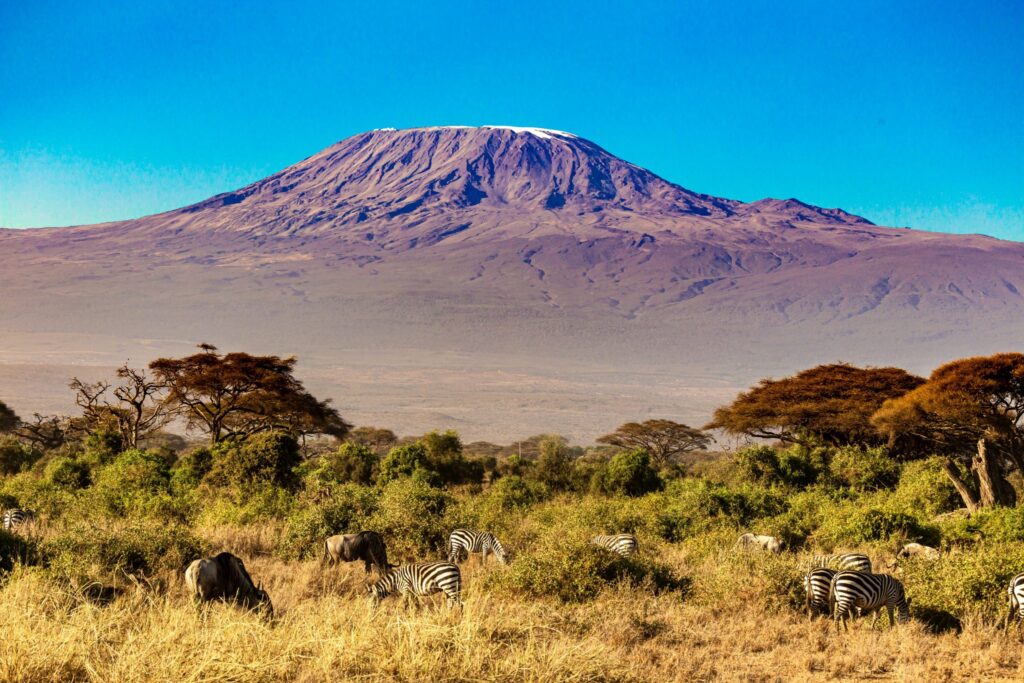
From $90000 per Person
Book This Tour
Tour Highlights
- Mount Kilimanjaro Viewing
- Amboseli National Park Safari Game Drive
Tour Description
Introduction
Welcome to the breathtaking wilderness of Amboseli Kenya, where Africa’s majestic elephants roam freely against the stunning backdrop of Mount Kilimanjaro. This extraordinary destination offers visitors an unparalleled safari experience that combines incredible wildlife viewing with some of the most spectacular scenery on the African continent.
Amboseli Kenya stands as one of Africa’s most iconic safari destinations, renowned for its massive elephant herds and crystal-clear views of Mount Kilimanjaro’s snow-capped peak. Located in southern Kenya near the Tanzanian border, Amboseli National Park spans 392 square kilometers of diverse ecosystems that support an abundance of wildlife.
The magic of Amboseli Kenya lies in its unique landscape, where ancient baobab trees dot the savannah, seasonal lakes attract countless birds, and the permanent swamps provide year-round water sources for wildlife. This remarkable destination promises unforgettable encounters with Africa’s Big Five and offers photographers some of the most stunning wildlife photography opportunities in the world.
Whether you’re seeking your first African safari experience or you’re a seasoned wildlife enthusiast, Amboseli Kenya delivers extraordinary adventures that will leave you with memories to last a lifetime. The park’s proximity to Nairobi makes it easily accessible, while its diverse habitats ensure exceptional wildlife viewing throughout the year.
Destination Overview
Location and Geography
Amboseli Kenya is strategically positioned in Kajiado County, approximately 240 kilometers southeast of Nairobi. The park sits at the foot of Mount Kilimanjaro, Africa’s highest peak, creating one of the most picturesque safari settings imaginable.
The Amboseli Kenya ecosystem encompasses much more than the national park boundaries, extending into community conservancies and Maasai group ranches. This expanded area covers over 8,000 square kilometers, providing crucial wildlife corridors and supporting local communities through conservation tourism.
Best Time to Visit Amboseli Kenya
The optimal time to visit Amboseli Kenya depends on your safari priorities and weather preferences. The dry seasons from June to October and December to March offer the best wildlife viewing opportunities, as animals congregate around permanent water sources.
During the dry season, Amboseli Kenya’s roads are more accessible, and the sparse vegetation provides excellent visibility for spotting wildlife. The iconic Mount Kilimanjaro views are often clearest during early morning hours before clouds obscure the summit.
The wet seasons in Amboseli Kenya occur from November to December and March to May. While some roads may become challenging, the landscape transforms into a lush green paradise that attracts migratory birds and provides excellent photographic opportunities with dramatic skies.
Entry Requirements and Documentation
Visitors to Amboseli Kenya must possess a valid passport with at least six months remaining validity. Most international visitors require a Kenyan visa, which can be obtained online through the eVisa system or upon arrival at Jomo Kenyatta International Airport.
The Kenya Wildlife Service manages Amboseli Kenya park entry, and advance booking is recommended, especially during peak seasons. Park fees vary for residents, non-residents, and children, with payment accepted in US dollars, Kenyan shillings, or major credit cards.
Currency and Local Information
The official currency in Amboseli Kenya is the Kenyan Shilling (KES), though US dollars are widely accepted for park fees and safari services. Major credit cards are accepted at established lodges and camps, but carrying cash is advisable for local purchases and tips.
English and Swahili are the official languages spoken in Amboseli Kenya, with many locals also speaking Maasai. Most safari guides and lodge staff are fluent in English, ensuring clear communication throughout your visit.
The local time in Amboseli Kenya is East Africa Time (EAT), which is UTC+3. The region experiences a tropical savanna climate with two rainy seasons and two dry seasons annually.
Travel Itinerary
Day 1: Arrival and First Game Drive
Your Amboseli Kenya adventure begins with an early morning departure from Nairobi, followed by a scenic three-hour drive through the Kenyan countryside. Upon arrival at your chosen accommodation, check in and enjoy lunch while taking in the spectacular views of Mount Kilimanjaro.
The afternoon in Amboseli Kenya offers your first game drive experience, where you’ll likely encounter the park’s famous elephant herds. These gentle giants are the stars of Amboseli Kenya, with over 1,600 elephants calling this ecosystem home. The late afternoon light provides perfect conditions for photography, especially when elephants are silhouetted against Mount Kilimanjaro.
Return to your lodge or camp for dinner, where you can share stories of your first day in Amboseli Kenya while listening to the sounds of the African wilderness.
Day 2: Full Day Safari Experience
Begin your second day in Amboseli Kenya with an early morning game drive when wildlife activity is at its peak. The cool morning hours offer excellent opportunities to spot predators like lions, cheetahs, and hyenas before they seek shade during the heat of the day.
Mid-morning in Amboseli Kenya provides ideal conditions for visiting the observation hill, which offers panoramic views of the park and Mount Kilimanjaro. This elevated viewpoint is perfect for understanding the park’s layout and spotting wildlife from above.
After lunch and a brief rest, your afternoon game drive in Amboseli Kenya might include visits to the permanent swamps, where hippos wallow and hundreds of bird species congregate. The golden hour before sunset provides magical lighting for wildlife photography and stunning landscape shots.
Day 3: Cultural Experience and Wildlife Viewing
Your third day in Amboseli Kenya combines wildlife viewing with cultural immersion through a visit to a local Maasai village. Learn about traditional Maasai customs, witness authentic dances, and understand how local communities coexist with wildlife in the Amboseli Kenya ecosystem.
The cultural experience in Amboseli Kenya provides valuable insights into conservation efforts and community-based tourism initiatives that benefit both wildlife and local people. Purchase authentic Maasai crafts and jewelry while supporting local artisans.
Conclude your day with another game drive in Amboseli Kenya, focusing on areas you haven’t yet explored. Each section of the park offers different wildlife viewing opportunities and unique photographic perspectives of Mount Kilimanjaro.
Day 4: Final Game Drive and Departure
Your final morning in Amboseli Kenya begins with a farewell game drive, providing one last opportunity to spot any wildlife you may have missed. Early morning hours often reveal nocturnal animals returning from their nighttime activities.
After breakfast and check-out, begin your return journey to Nairobi with memories of your incredible Amboseli Kenya safari experience. Many visitors choose to extend their Kenya adventure by continuing to other destinations like the Maasai Mara or coastal regions.
Key Attractions & Experiences
Elephant Encounters
Amboseli Kenya is globally recognized as one of the premier destinations for elephant viewing and research. The park’s elephant population is among Africa’s most studied, with individual elephants recognized and named by researchers from the Amboseli Trust for Elephants.
Visitors to Amboseli Kenya can observe multi-generational elephant families as they navigate their daily routines of feeding, bathing, and socializing. The park’s open landscapes provide unobstructed viewing opportunities, allowing guests to witness intimate behavioral interactions rarely seen elsewhere.
The elephant research conducted in Amboseli Kenya has contributed significantly to global understanding of elephant behavior, communication, and social structures. Visitors often have opportunities to learn about ongoing research projects and conservation efforts protecting these magnificent creatures.
Mount Kilimanjaro Views
The iconic views of Mount Kilimanjaro from Amboseli Kenya are among the most photographed scenes in Africa. Africa’s highest peak creates a dramatic backdrop for wildlife photography, particularly during the golden hours of sunrise and sunset when the mountain’s snow-capped summit glows magnificently.
Clear views of Mount Kilimanjaro from Amboseli Kenya are weather-dependent, with the best visibility typically occurring during dry season mornings before afternoon clouds develop. The mountain’s presence adds a sense of scale and grandeur to the safari experience that is uniquely Amboseli.
Professional photographers visiting Amboseli Kenya often time their visits to capture the classic shot of elephants silhouetted against Mount Kilimanjaro, creating images that epitomize the African safari experience.
Diverse Wildlife Viewing
Beyond its famous elephants, Amboseli Kenya supports an impressive diversity of wildlife species. The park is home to over 80 mammal species, including all members of Africa’s Big Five: elephants, lions, leopards, rhinos, and Cape buffalo.
Lion prides in Amboseli Kenya have adapted to the open savanna environment, often seeking shade under acacia trees during the heat of the day. Cheetahs thrive in the park’s open grasslands, where their incredible speed advantage is most effective for hunting.
The birdlife in Amboseli Kenya is exceptional, with over 600 species recorded. The park’s diverse habitats support everything from massive ostriches and secretary birds to tiny sunbirds and bee-eaters. Seasonal lakes attract thousands of flamingos, pelicans, and other waterbirds.
Observation Hill
The observation hill in Amboseli Kenya provides visitors with spectacular panoramic views of the entire park ecosystem. This elevated viewpoint offers unique photographic opportunities and helps visitors understand the relationship between different habitats within the park.
From the observation hill, visitors to Amboseli Kenya can spot wildlife across vast distances and gain appreciation for the park’s diverse landscape. The 360-degree views encompass Mount Kilimanjaro, the Chyulu Hills, and the expansive savanna plains.
Educational signage at the observation hill explains the Amboseli Kenya ecosystem’s complexities and highlights ongoing conservation challenges and successes.
Maasai Cultural Experiences
The Maasai people have coexisted with wildlife in the Amboseli Kenya region for centuries, developing sustainable practices that benefit both their communities and conservation efforts. Cultural visits provide authentic insights into traditional Maasai life and their role in wildlife conservation.
Visitors to Amboseli Kenya can participate in traditional Maasai ceremonies, learn about medicinal plants, and understand how ancient customs contribute to modern conservation strategies. These experiences support local communities while enriching the safari experience.
The Maasai markets near Amboseli Kenya offer opportunities to purchase authentic crafts, jewelry, and textiles while directly supporting local artisans and their families.
Traveler Requirements
Packing Essentials for Amboseli Kenya
Proper preparation ensures your Amboseli Kenya safari experience is comfortable and memorable. Lightweight, neutral-colored clothing is essential for game drives, as bright colors may disturb wildlife and dark colors attract tsetse flies.
Essential items for Amboseli Kenya include:
- Clothing: Long-sleeved shirts and pants for evening protection against mosquitoes, lightweight daytime clothes, warm layers for early morning game drives, comfortable walking shoes, and a wide-brimmed hat for sun protection.
- Photography Equipment: Camera with telephoto lens for wildlife photography, extra batteries and memory cards, binoculars for detailed wildlife observation, and a dust-proof camera bag to protect equipment from Amboseli’s fine dust.
- Personal Items: Sunscreen with high SPF protection, insect repellent containing DEET, personal medications, and a first aid kit for minor injuries.
- Documentation: Passport with valid visa, yellow fever vaccination certificate, travel insurance documents, and emergency contact information.
Health Preparations
Visitors to Amboseli Kenya should consult with travel medicine specialists at least six weeks before departure. Yellow fever vaccination is mandatory for travelers from countries with yellow fever transmission risk and recommended for all international visitors.
Malaria prophylaxis is recommended for Amboseli Kenya, as the area is within Kenya’s malaria transmission zone. Consult with healthcare providers about appropriate antimalarial medications based on your medical history and travel itinerary.
Additional health considerations for Amboseli Kenya include ensuring routine vaccinations are current, particularly hepatitis A and B, typhoid, and meningitis. Travel insurance covering medical evacuation is strongly recommended for all visitors.
Cultural Etiquette and Local Customs
Respect for local customs enhances your Amboseli Kenya experience and demonstrates cultural sensitivity. When visiting Maasai communities, ask permission before photographing people and consider offering small tips for cultural demonstrations.
Appropriate behavior in Amboseli Kenya includes dressing modestly when visiting local communities, removing shoes when entering traditional homes, and showing respect for Maasai elders and traditional leaders.
Wildlife etiquette in Amboseli Kenya requires maintaining safe distances from all animals, following guide instructions during game drives, and avoiding loud noises that might disturb wildlife behavior.
Financial Preparations
Budget planning for Amboseli Kenya should include park fees, accommodation costs, transportation, meals, and gratuities for guides and camp staff. US dollars are widely accepted, but carrying some Kenyan shillings is useful for small purchases and tips.
Credit cards are accepted at major lodges and camps in Amboseli Kenya, but ATM access is limited within the park. Ensure you have sufficient cash for incidental expenses and emergency situations.
Tipping guidelines for Amboseli Kenya suggest $10-15 per day for safari guides, $5-10 per day for camp staff, and standard restaurant tipping practices at lodges and camps.
Legal & Safety Information
Visa Requirements and Entry Regulations
International visitors to Amboseli Kenya must obtain appropriate visas before arrival or through Kenya’s eVisa system. Single-entry tourist visas are valid for 90 days and cost $51 for most nationalities, with some countries eligible for visa-free entry.
The Kenya eVisa system allows travelers to apply online at least seven days before departure, streamlining the entry process into Amboseli Kenya. Ensure your passport has at least two blank pages for entry stamps and at least six months validity from your arrival date.
Transit visas are available for travelers passing through Kenya to reach Amboseli Kenya from neighboring countries, with specific requirements depending on your nationality and intended length of stay.
Health and Safety Regulations
Kenya requires yellow fever vaccination certificates from travelers arriving from countries with yellow fever transmission risk. This requirement applies to all visitors to Amboseli Kenya coming from affected areas or having transited through them.
COVID-19 protocols for Amboseli Kenya may include health screening at entry points, mask requirements in certain situations, and vaccination or testing requirements that change based on global health conditions. Check current requirements before departure.
Wildlife safety regulations in Amboseli Kenya prohibit approaching animals on foot, feeding wildlife, or leaving vehicles during game drives without guide permission. These rules protect both visitors and wildlife while ensuring sustainable tourism practices.
Travel Insurance and Emergency Procedures
Comprehensive travel insurance covering medical emergencies, evacuation, and trip cancellation is essential for Amboseli Kenya visitors. Ensure your policy covers safari activities and potential medical evacuation to Nairobi or international medical facilities.
Emergency services in Amboseli Kenya are coordinated through Kenya Wildlife Service rangers and licensed tour operators. Major lodges and camps maintain communication equipment for emergency situations and can coordinate medical evacuations if necessary.
Keep emergency contact information readily available, including your embassy or consulate contact details, travel insurance emergency numbers, and local emergency services contact information.
Local Laws and Regulations
Kenyan law strictly prohibits drug possession and trafficking, with severe penalties including lengthy prison sentences. Visitors to Amboseli Kenya should be aware that even small amounts of illegal substances can result in serious legal consequences.
Photography restrictions in Amboseli Kenya include prohibitions against photographing military installations, government buildings, and some infrastructure. Always ask permission before photographing local people, especially in Maasai communities.
Wildlife protection laws in Amboseli Kenya impose heavy fines and imprisonment for harassing wildlife, littering in protected areas, or removing natural artifacts like stones, plants, or animal products from the park.
Frequently Asked Questions
When is the best time to visit Amboseli Kenya?
The optimal time to visit Amboseli Kenya is during the dry seasons from June to October and December to March. These periods offer the best wildlife viewing opportunities, clearer Mount Kilimanjaro views, and more accessible road conditions throughout the park.
Wildlife congregates around permanent water sources during dry seasons in Amboseli Kenya, making animal sightings more predictable and frequent. However, the wet seasons provide lush landscapes, excellent bird watching, and fewer crowds for a more intimate safari experience.
How many days should I spend in Amboseli Kenya?
Most visitors to Amboseli Kenya benefit from spending 2-4 days in the park to fully appreciate its wildlife and landscapes. This duration allows for multiple game drives at different times of day and opportunities to explore various sections of the park.
A minimum of two days in Amboseli Kenya provides adequate time for wildlife viewing and Mount Kilimanjaro photography, while three to four days allows for cultural experiences, relaxation, and more comprehensive exploration of the ecosystem.
What wildlife can I expect to see in Amboseli Kenya?
Amboseli Kenya is famous for its large elephant herds, with over 1,600 elephants in the ecosystem. Visitors regularly see lions, cheetahs, leopards, Cape buffalo, zebras, wildebeest, giraffes, and numerous antelope species during game drives.
The birdlife in Amboseli Kenya exceeds 600 species, including flamingos, pelicans, kingfishers, and numerous birds of prey. Seasonal variations affect wildlife visibility, with some species more active during specific times of year.
Is Amboseli Kenya suitable for families with children?
Amboseli Kenya is excellent for family safaris, offering exciting wildlife viewing opportunities that captivate children while providing educational experiences about African ecosystems and conservation. Many lodges and camps welcome families and provide child-friendly amenities.
Family considerations for Amboseli Kenya include selecting appropriate accommodation with family rooms or connecting accommodations, ensuring children understand wildlife safety rules, and planning age-appropriate activities like cultural visits and nature walks.
What accommodation options are available in Amboseli Kenya?
Accommodation in Amboseli Kenya ranges from luxury safari lodges and tented camps to budget-friendly campsites and guesthouses. Options include properties within the park boundaries and those in surrounding conservancies and community areas.
Luxury options in Amboseli Kenya feature stunning Mount Kilimanjaro views, gourmet dining, spa services, and premium safari experiences. Mid-range and budget accommodations provide comfortable lodging with essential amenities at more affordable prices.
How do I get to Amboseli Kenya from Nairobi?
The most common route to Amboseli Kenya from Nairobi is by road, taking approximately 3-4 hours depending on road conditions and stops. Most visitors arrange transportation through tour operators or rental car companies familiar with the route.
Air access to Amboseli Kenya is available through scheduled and charter flights to Amboseli Airstrip, reducing travel time to approximately 45 minutes from Nairobi. Flying provides spectacular aerial views of Mount Kilimanjaro and the Kenyan landscape.
What should I pack for an Amboseli Kenya safari?
Essential items for Amboseli Kenya include neutral-colored clothing, sun protection, insect repellent, camera equipment, binoculars, and personal medications. Layered clothing accommodates temperature variations between early morning game drives and midday heat.
Specific recommendations for Amboseli Kenya include dust-proof bags for electronics, comfortable walking shoes, wide-brimmed hats, and lightweight rain gear for wet season visits. Most lodges provide laundry services, allowing for lighter packing.
Refund and Cancellation Policies
General Cancellation Terms
Cancellation policies for Amboseli Kenya safaris vary among tour operators and accommodation providers, with most requiring written notice of cancellation to process refunds. Standard industry practices include escalating cancellation fees as departure dates approach.
Typical cancellation terms for Amboseli Kenya bookings include:
- More than 60 days before departure: 10-25% cancellation fee
- 31-60 days before departure: 25-50% cancellation fee
- 15-30 days before departure: 50-75% cancellation fee
- Less than 15 days before departure: 75-100% cancellation fee
Travel Insurance Considerations
Comprehensive travel insurance is strongly recommended for all Amboseli Kenya visitors to protect against unforeseen circumstances that might necessitate trip cancellation or interruption. Insurance policies should cover medical emergencies, trip cancellation, and safari-specific activities.
Travel insurance for Amboseli Kenya should include coverage for emergency medical evacuation, which can be extremely expensive from remote safari locations. Ensure your policy covers all planned activities and provides adequate coverage limits for your needs.
Force Majeure and Emergency Situations
Most Amboseli Kenya tour operators include force majeure clauses in their terms and conditions, covering situations beyond their control such as extreme weather, political instability, or natural disasters. These clauses may affect refund eligibility and rebooking options.
During emergency situations affecting Amboseli Kenya access or safety, reputable operators typically offer rebooking options or partial refunds based on circumstances. Clear communication with tour operators during emergencies helps resolve situations satisfactorily.
Booking Modification Policies
Changes to Amboseli Kenya safari bookings are generally possible subject to availability and additional fees. Modifications made well in advance typically incur lower fees than last-minute changes, and some changes may not be possible during peak seasons.
Common modifications to Amboseli Kenya bookings include date changes, accommodation upgrades or downgrades, and additional services. Each modification is subject to supplier availability and may require payment of price differences.
No-Exceptions Clauses
Certain conditions in Amboseli Kenya safari bookings may include no-exceptions clauses, particularly regarding peak season bookings, special event periods, or limited-availability accommodations. These clauses emphasize non-refundable or non-changeable booking conditions.
No-show policies for Amboseli Kenya reservations typically result in forfeiture of full payment, with no refund eligibility. Travelers should communicate any delays or issues with tour operators as early as possible to explore available options.
Tags: Amboseli Kenya, Kenya safari, Mount Kilimanjaro views, elephant safari, African wildlife, Kenya travel guide, Amboseli National Park, safari adventure, wildlife photography, Kenya tourism, Maasai culture, Big Five safari, East Africa travel, conservation tourism, elephant research
Itinerary
Day 1: Welcome to Amboseli
- Morning: Mount Kilimanjaro viewing
- Afternoon: Game drive
- Evening: Dinner
- Meals: Breakfast, Lunch
What's Included
- Professional English-speaking guide
- Accommodation in 3-star hotels
- Daily breakfast
What's Not Included
- International flights
- Travel insurance
- Personal expenses